
Explore
Marble
EONS OLD. ALWAYS READY FOR THE SPOTLIGHT.
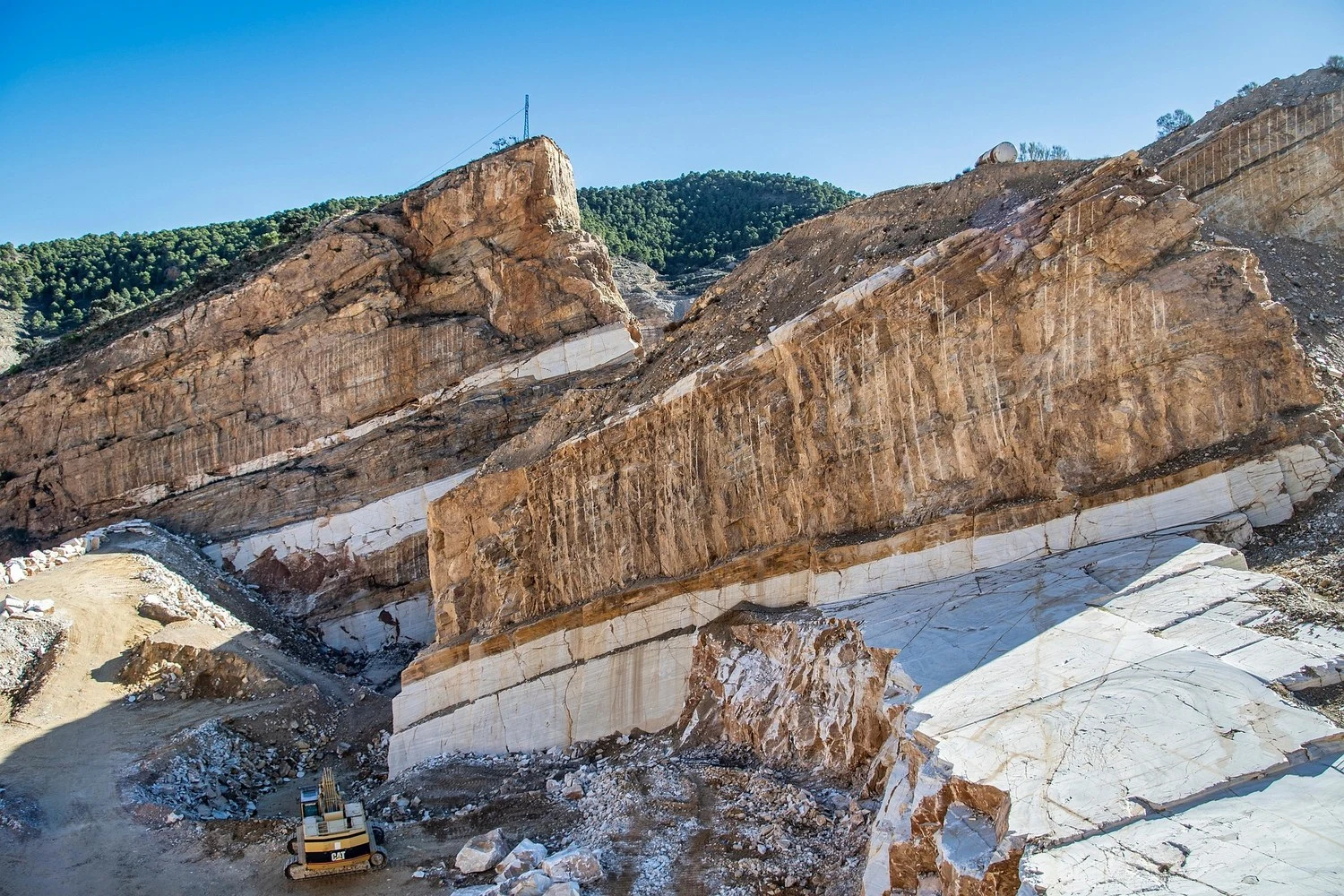
Calacatta Danby, Vermont
VERY FEW MATERIALS ARE AS
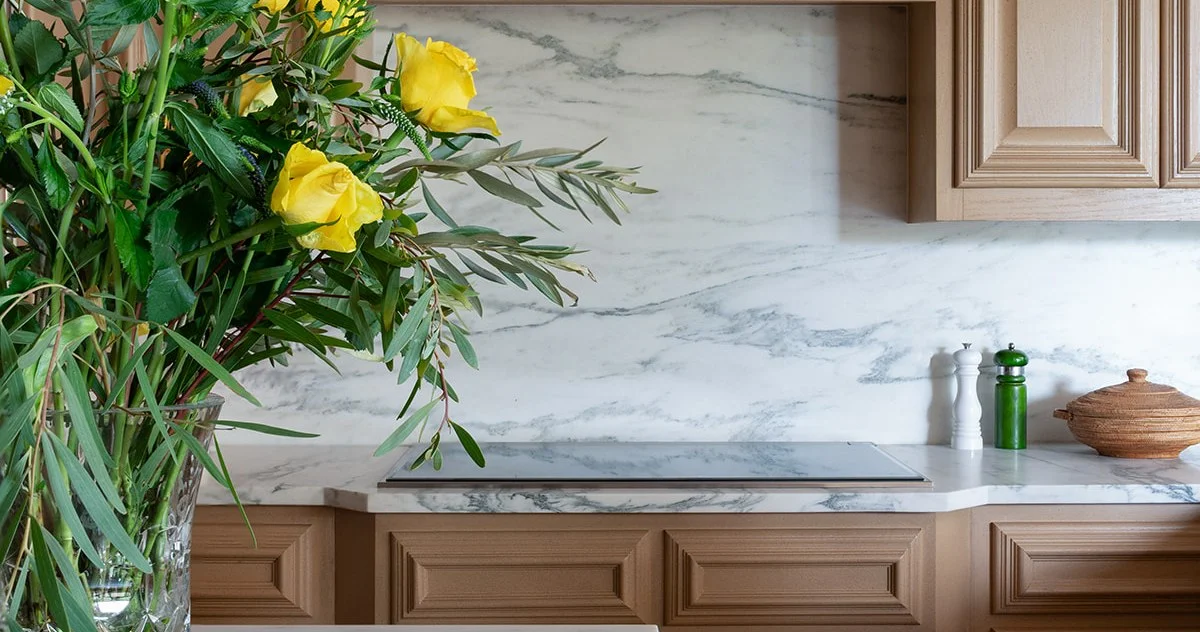
immediately recognizable as natural marble. From soft white marble with delicate veining to richly colored natural marble slabs filled with dramatic movement, every piece is mother nature just showing off.
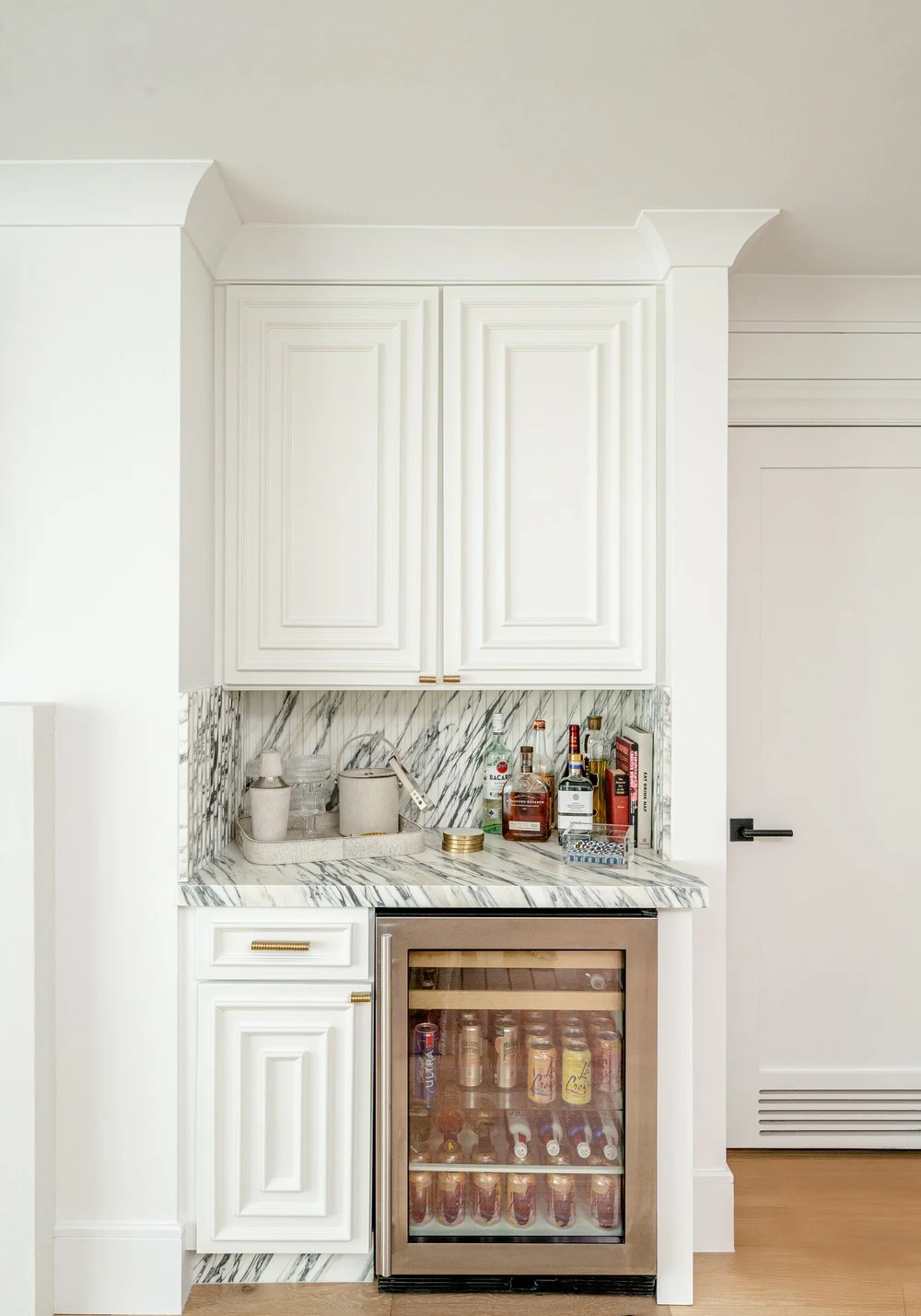
That individuality is exactly why marble countertops, backsplashes, fireplaces, vanities, walls and other architectural details continue to find their way into homes of nearly every design style.
Traditional or contemporary. Quiet or unapologetically dramatic, she get’s it.
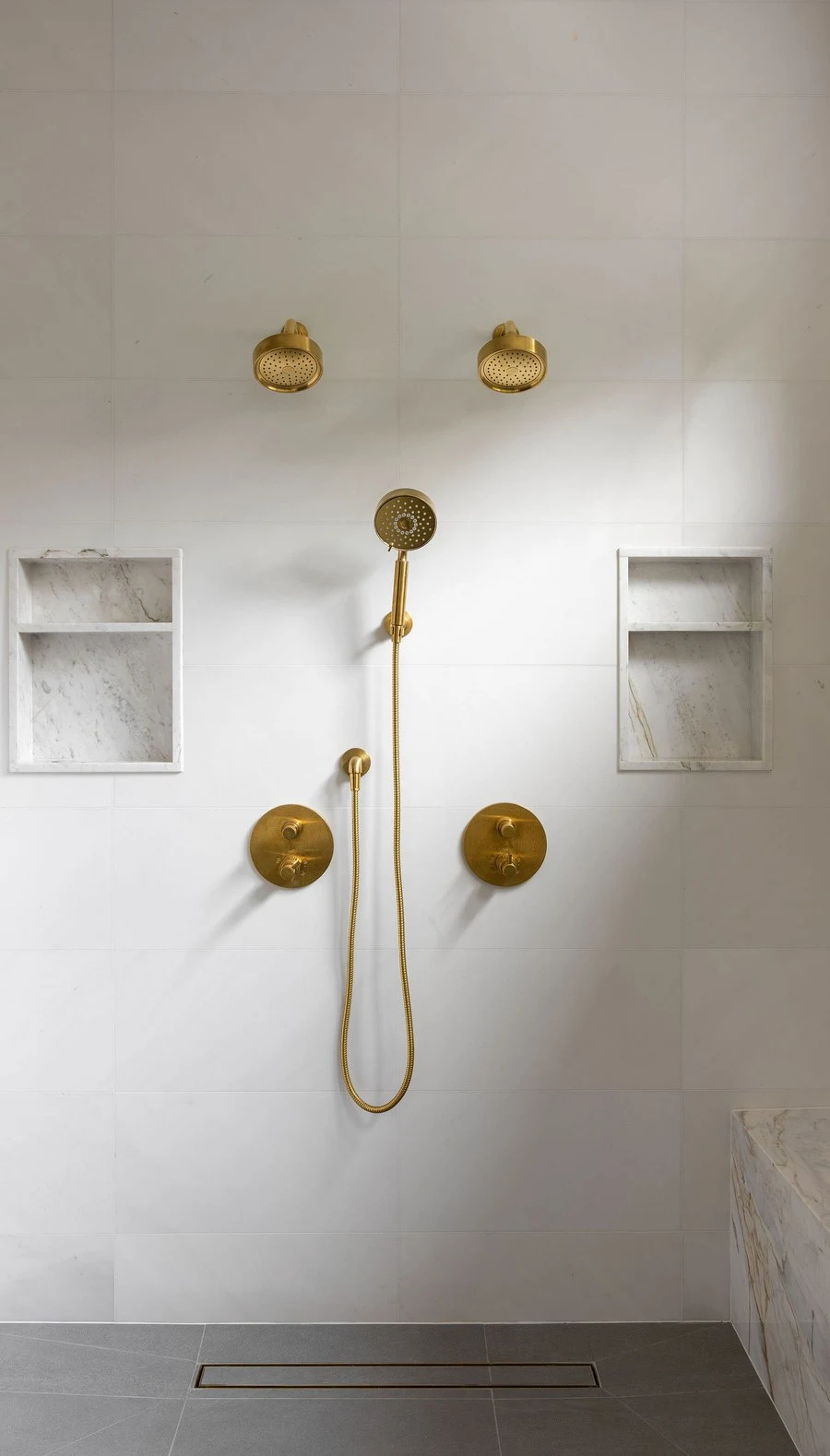
Choosing a Marble Slab
Choosing a marble slab is a little different from selecting a manufactured surface.
Variation is part of the material. Veining can change considerably from one marble slab to the next, and the movement you see across a full slab may become an important part of the finished design. That's especially true for large applications such as marble kitchen countertops, waterfall islands, full-height backsplashes and fireplace surrounds.
This is one of the reasons we always encourage homeowners and interior designers to look at full marble slabs whenever possible. Bring the cabinet sample. Bring the flooring, hardware and paint colors. Step back from the slab and look at the entire composition, then get close enough to notice the details.
You aren't simply choosing white, gray, green or burgundy. You're choosing movement, scale, contrast and character.
And when the right marble is sitting beside the rest of the materials going into the room, you can usually tell.
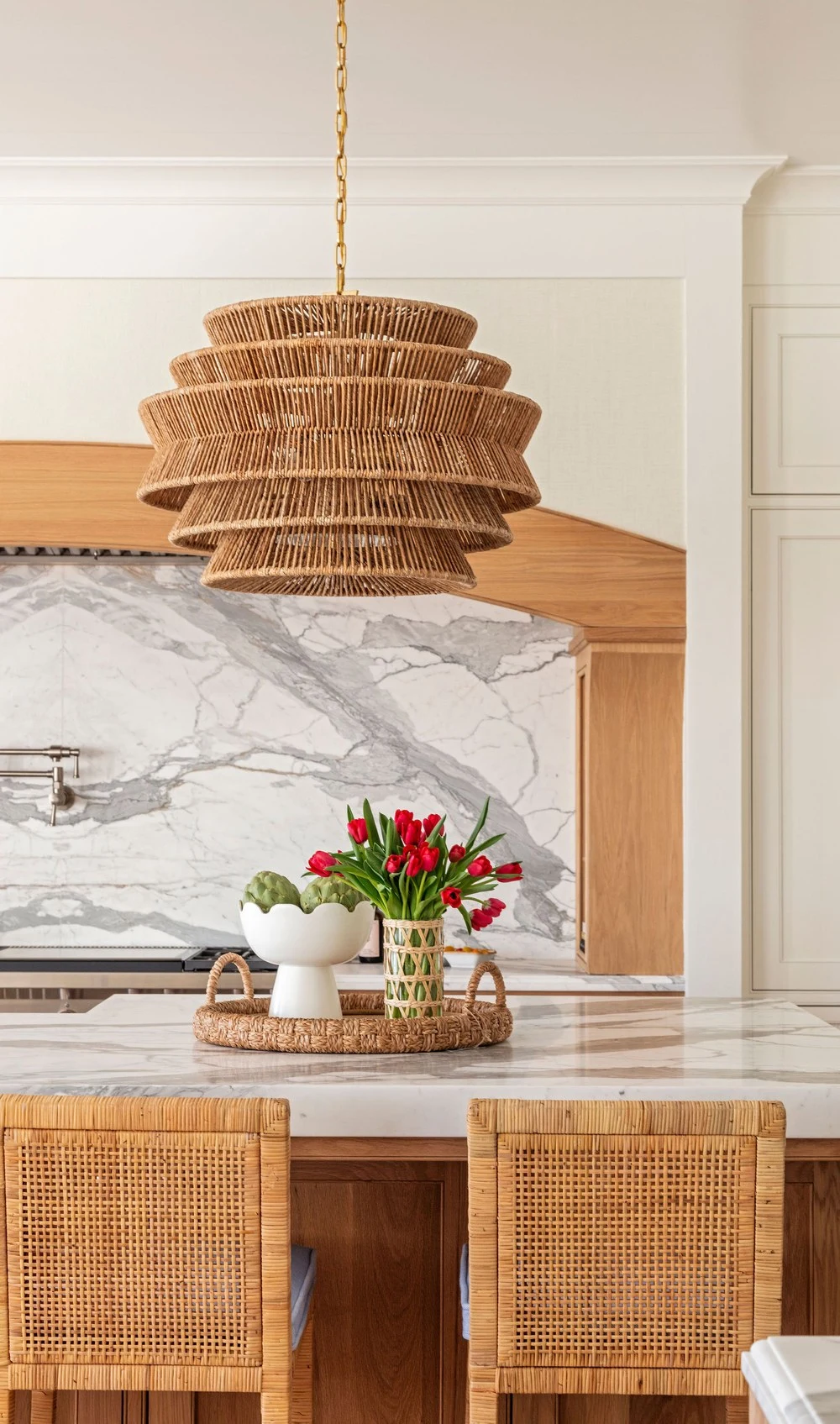
LIVING WITH MARBLE
Let's talk about the question almost everyone eventually asks: Is marble difficult to maintain?
Not necessarily, but marble does ask you to understand what you're choosing.
Natural marble is a calcium-based stone, which means acidic substances such as lemon juice, vinegar, wine and some household cleaners can etch the surface. Marble can also scratch or stain, particularly in hardworking spaces such as kitchens.
For homeowners who expect a countertop to remain visually unchanged, another natural stone or manufactured surface may be a better fit.
But plenty of people choose marble countertops knowing all of this. Why?
Because they love marble.
They appreciate the subtle changes that develop with use and the patina that can emerge over time. The kitchen isn't being preserved for the next homeowner. It's being lived in now.
Morning coffee gets made. Dinner gets chopped. Wine gets poured. Holidays happen.
And somewhere along the way, the marble becomes part of the house rather than simply something installed in it.
MARBLE CARE & MAINTENANCE
Caring for marble is mostly about developing a few good habits.
For everyday marble cleaning, use a soft cloth with a pH-neutral cleaner appropriate for natural stone. Avoid abrasive cleaners and acidic products, and clean spills—particularly citrus, wine, vinegar and tomato products—reasonably quickly.
Depending on the particular marble, its finish and where it will be installed, an impregnating sealer may be recommended to improve stain resistance. Sealing does not make marble stain-proof, nor does a conventional impregnating sealer prevent etching, so talk with your stone professional or fabricator about the appropriate care for your specific material.
You'll also encounter different marble finishes. Polished marble has a reflective surface that emphasizes color and veining, while honed marble has a softer, matte appearance. The finish changes both the look of the stone and how everyday wear presents itself, making it another important part of selecting marble for a kitchen, bathroom or other living space.
The goal isn't to become afraid of your countertops.
It's simply to know your material and then live with it.
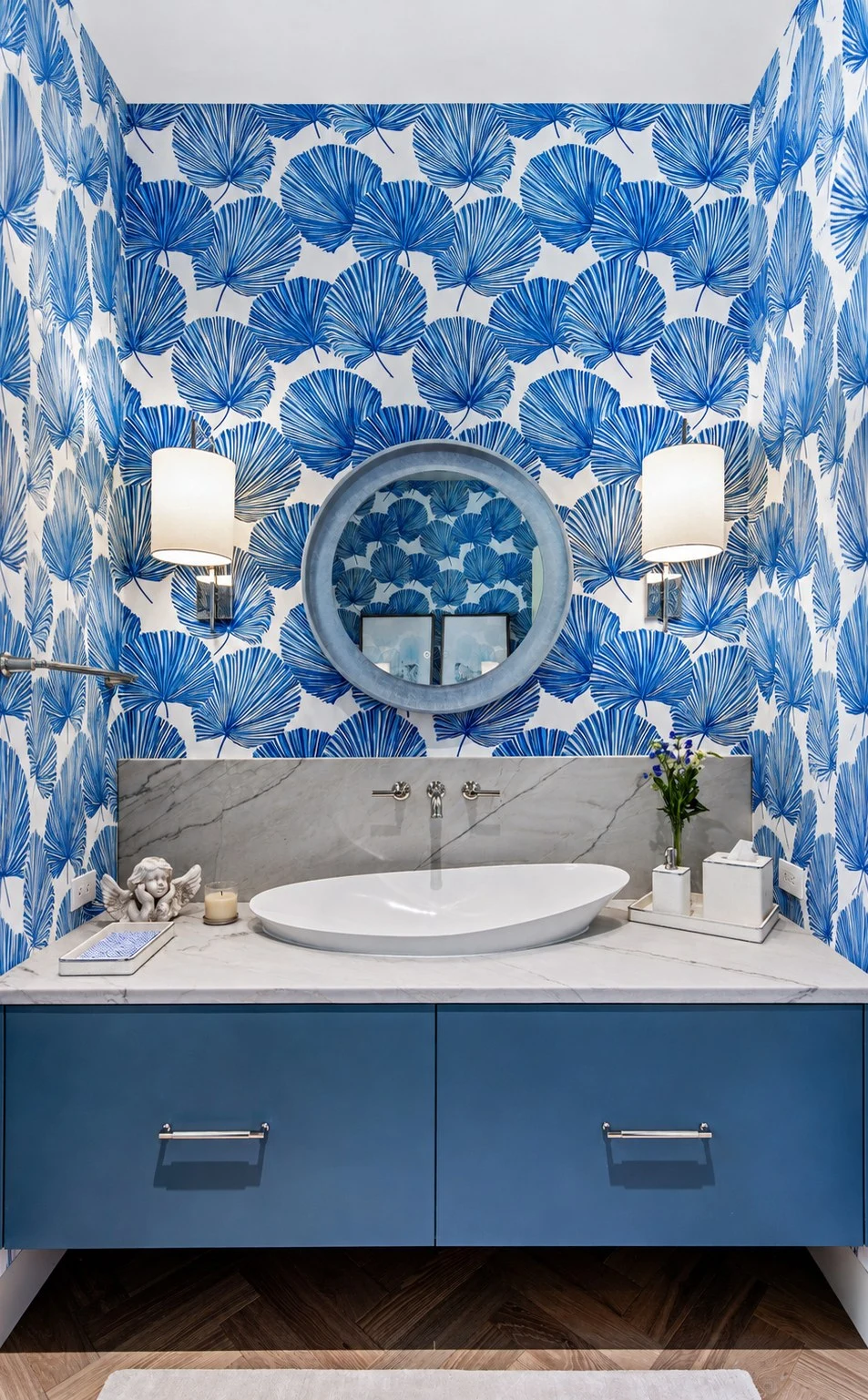
FINDING THE RIGHT SLAB
This is the fun part.
Marble isn't one look.
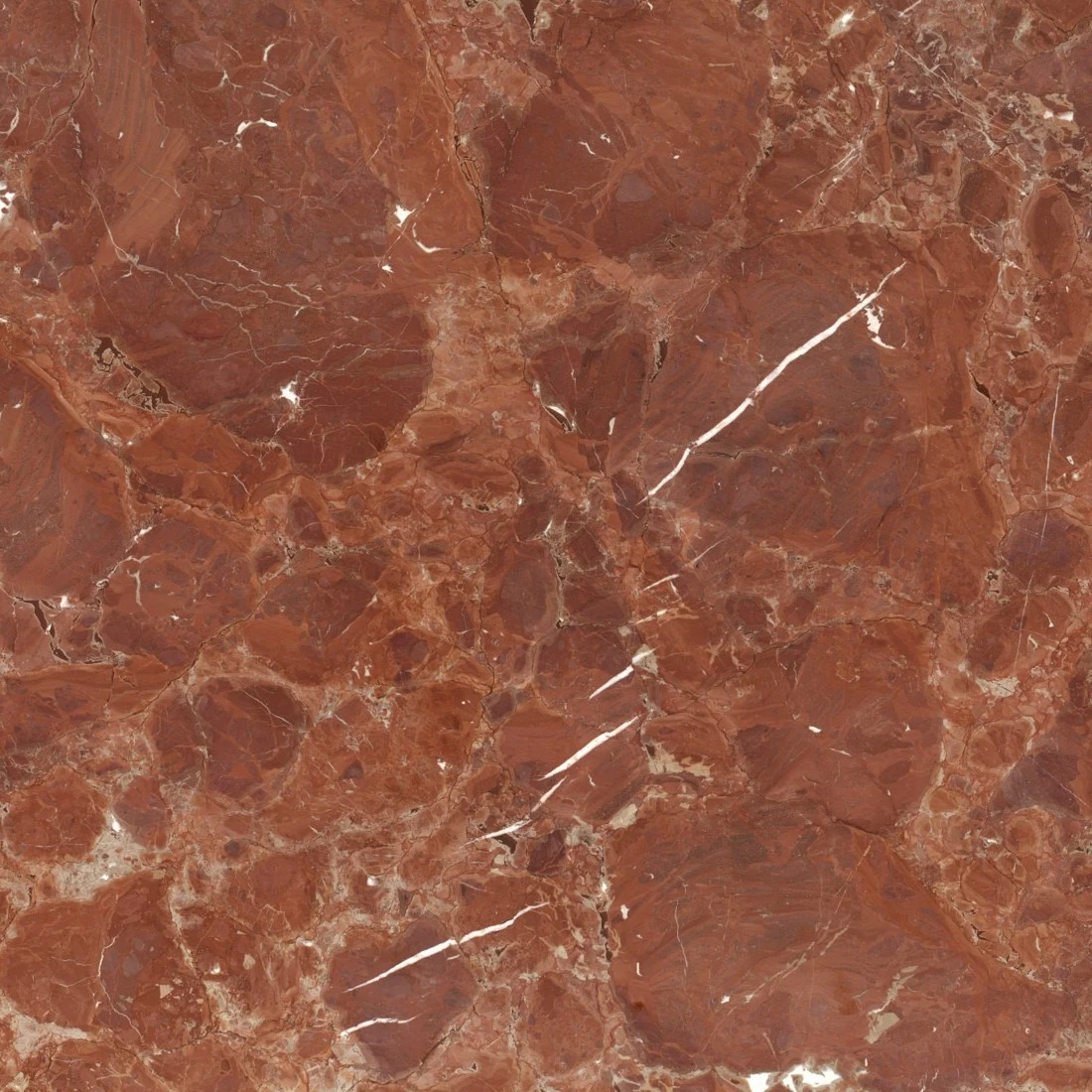
Calacatta and Carrara may be among the names people recognize first, but the world of marble extends through warm creams, blacks, greens, reds, browns and richly layered multicolor stones. Some marble slabs are remarkably quiet. Others look almost like abstract paintings.
Don't worry too much about arriving with the correct geological vocabulary, start with the room.
How do you want it to feel? What materials have already been chosen? Does the stone need to quietly connect everything around it, or is this the moment you've reserved for something extraordinary?
Then look at the slabs.
Sometimes the marble you thought you wanted will be exactly right.
Sometimes you'll walk past something completely unexpected and immediately start redesigning the room around it.
We like that part.