
Explore
Porcelain
TURNS OUT, COUNTERTOPS WERE JUST THE BEGINNING.
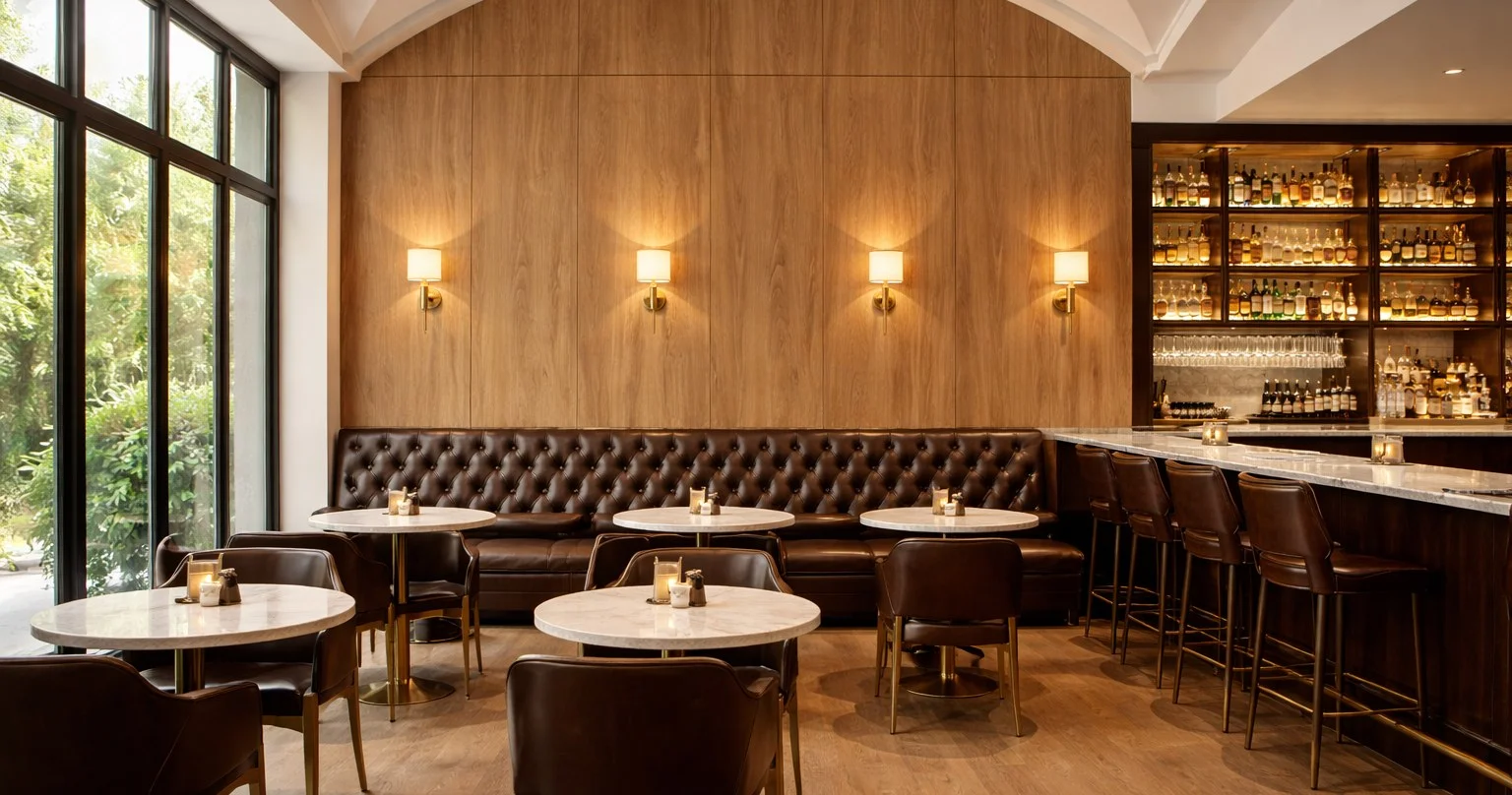
xTone Ewood Camel Porcelain
PORCELAIN IS THINKING BIGGER.
If the word porcelain still makes you think of dishes and bathroom tile, it's time for a reintroduction.
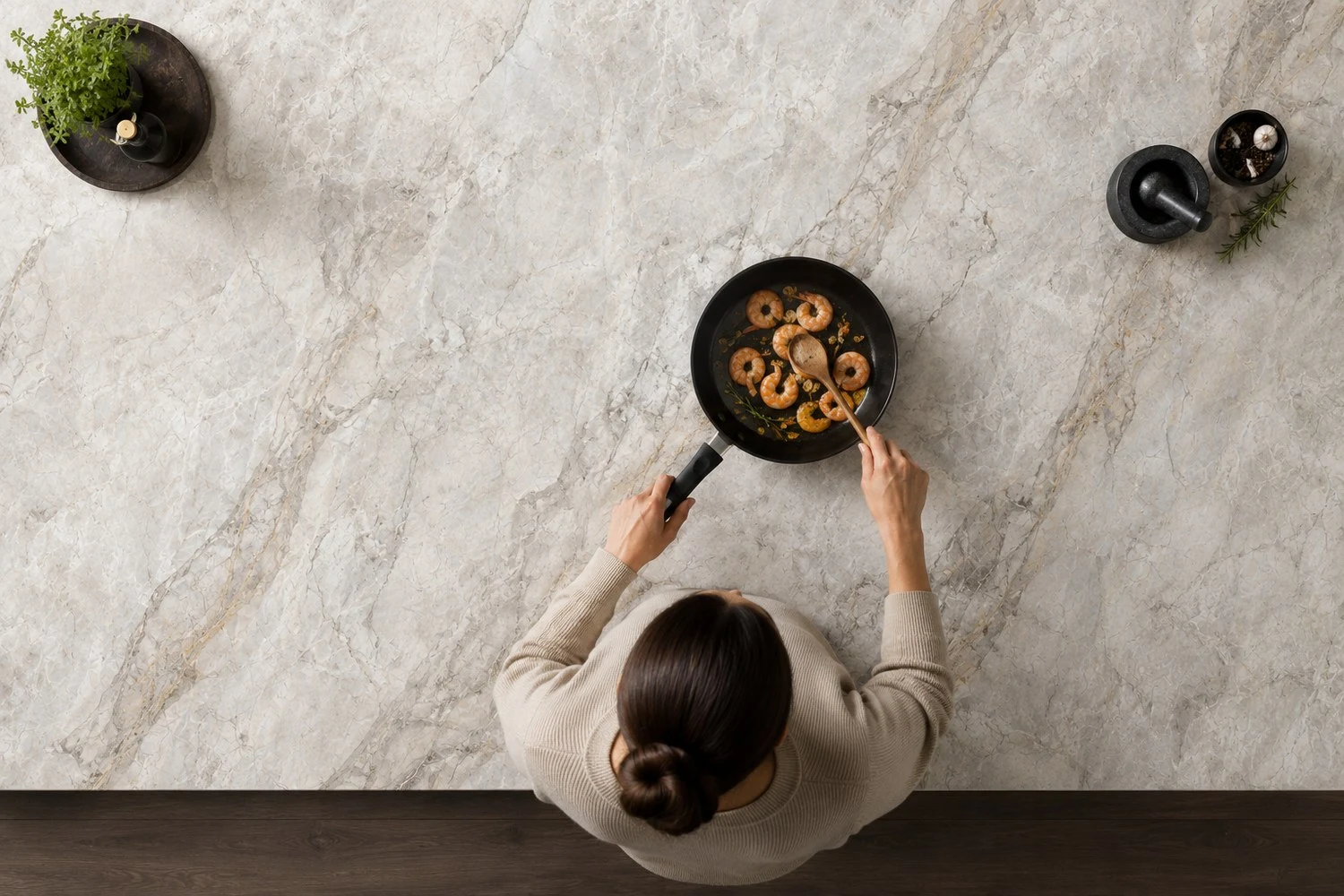
Today's large-format porcelain slabs have moved well beyond their familiar beginnings. They're being used for kitchen countertops, waterfall islands, backsplashes, bathroom vanities, walls and architectural surfaces—often with remarkably few visual interruptions.
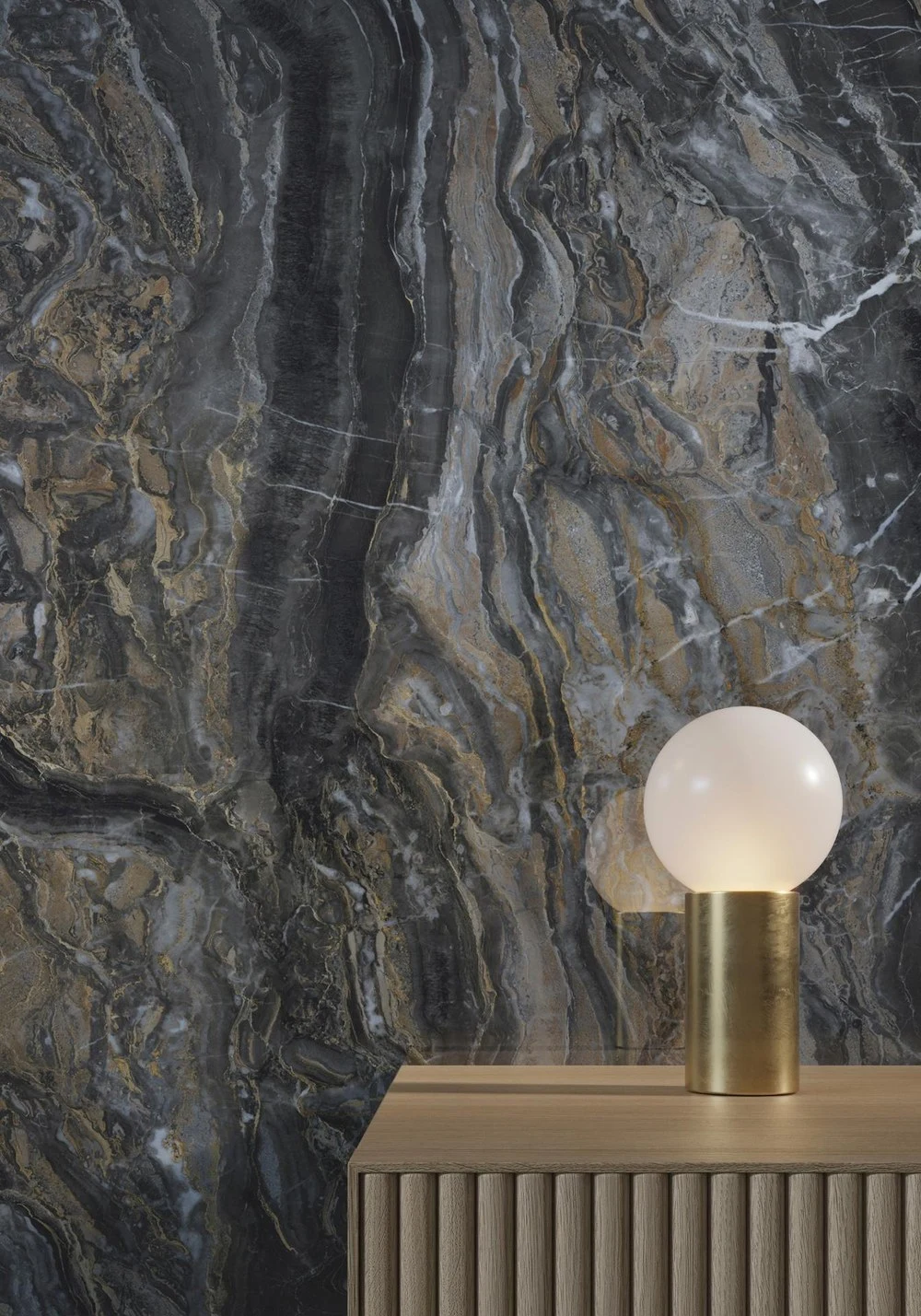
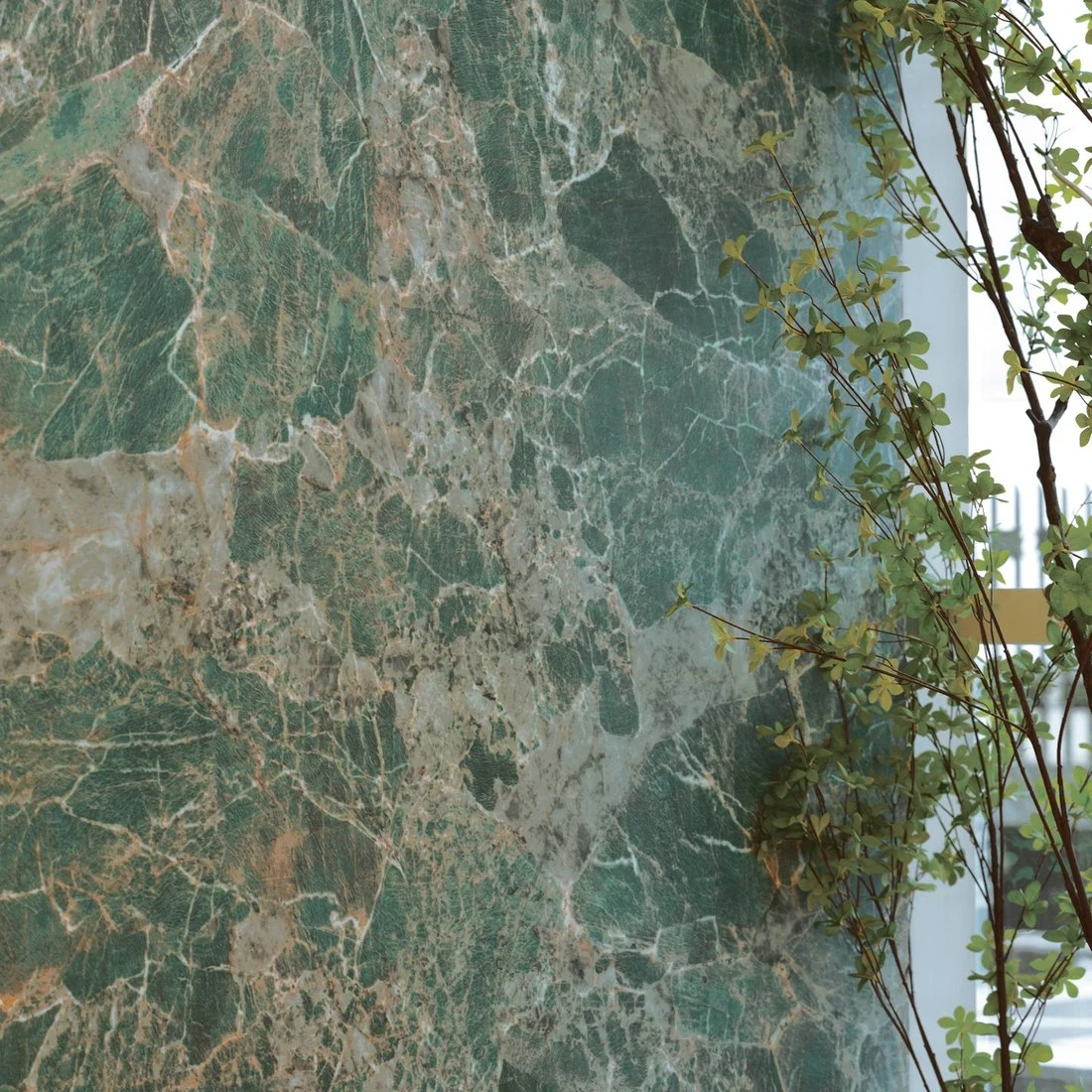
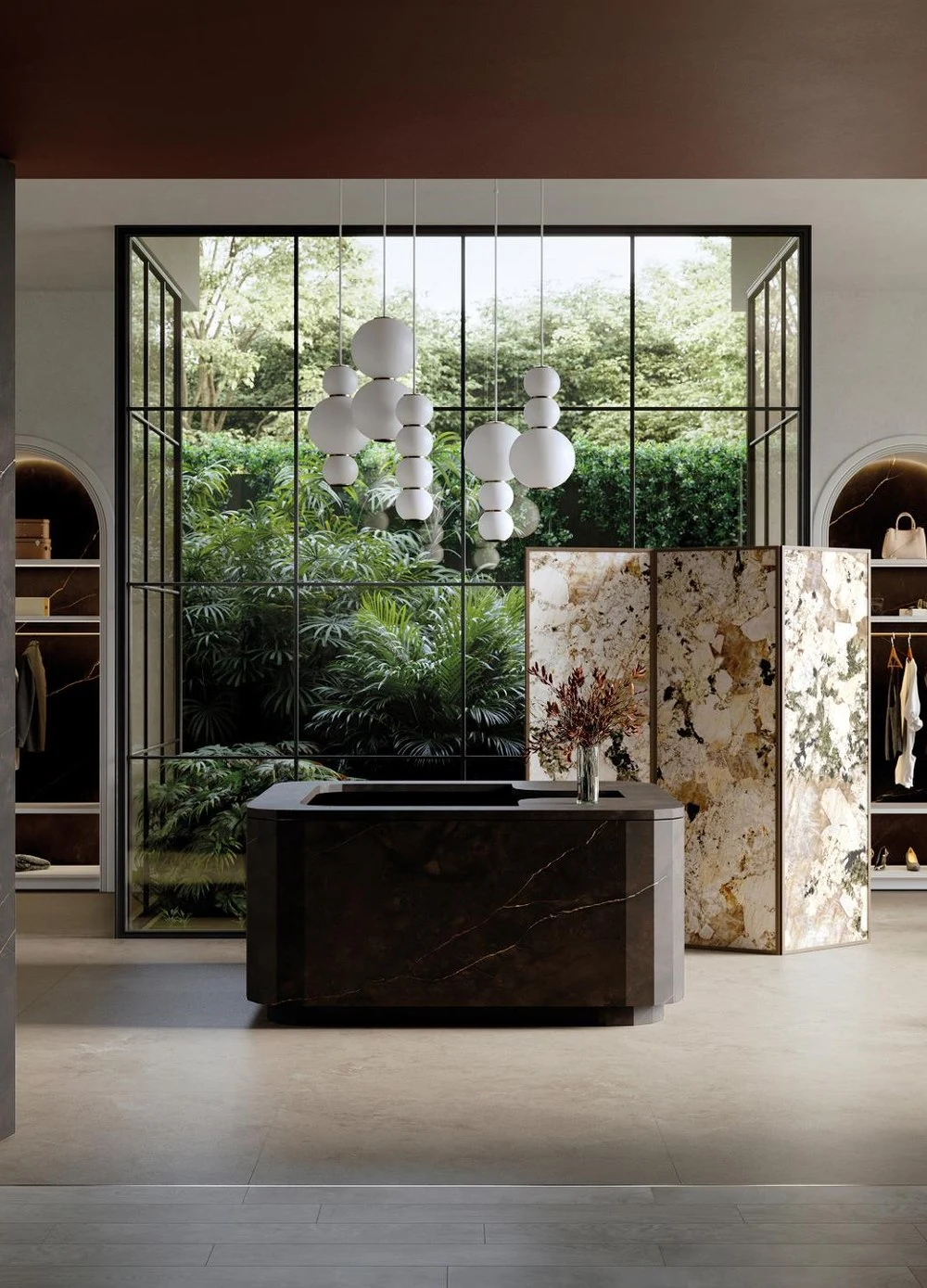
And designers have plenty to work with. Marble-inspired veining. Limestone and travertine looks. Concrete, metal and rich solid colors. Some designs are intentionally quiet; others have enough scale and movement to establish the direction of an entire room. Porcelain isn't trying to be one thing. It's busy being many things.
Slabs Tell the Whole Story
A four-inch sample can tell you the color.
A full porcelain slab tells you much more.
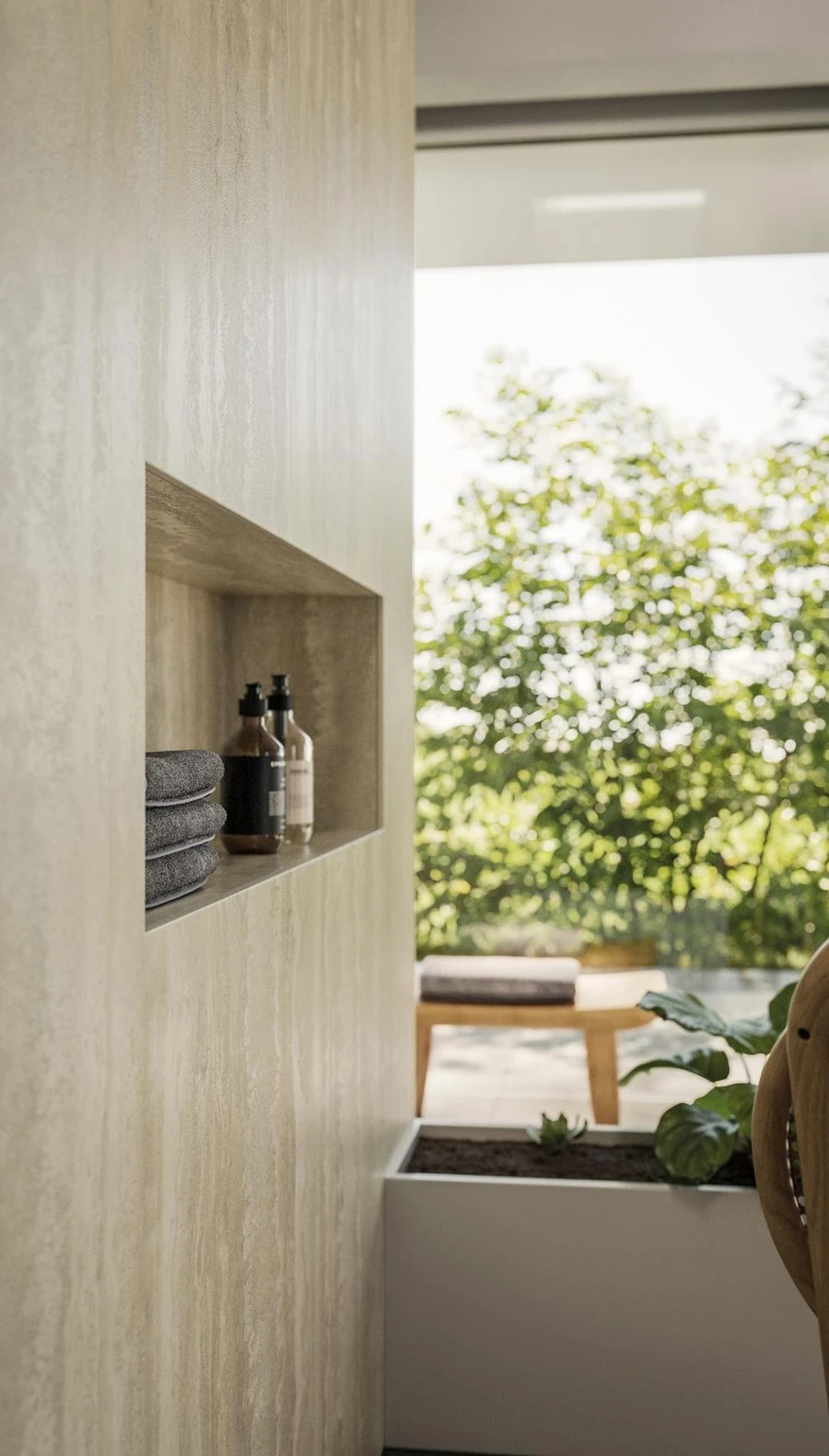
Large-format patterns can travel dramatically across the surface, particularly with marble and stone-inspired designs. Seeing the entire slab helps you understand the scale of the veining, how the pattern might wrap a walk-in shower, and what happens when that surface turns from horizontal, to vertical, to directly overhead or underfoot.
It’s time to start thinking beyond the countertop. One surface can sometimes move from a horizontal worktop onto a wall or other architectural element, creating visual continuity without introducing another material into the room.
With its incredible versatility (and the proper system), porcelain can even conceal induction cooking technology beneath the surface.
Countertop by day. Cooktop when you need it.
LIVING WITH PORCELAIN
Here's where porcelain gets very practical.
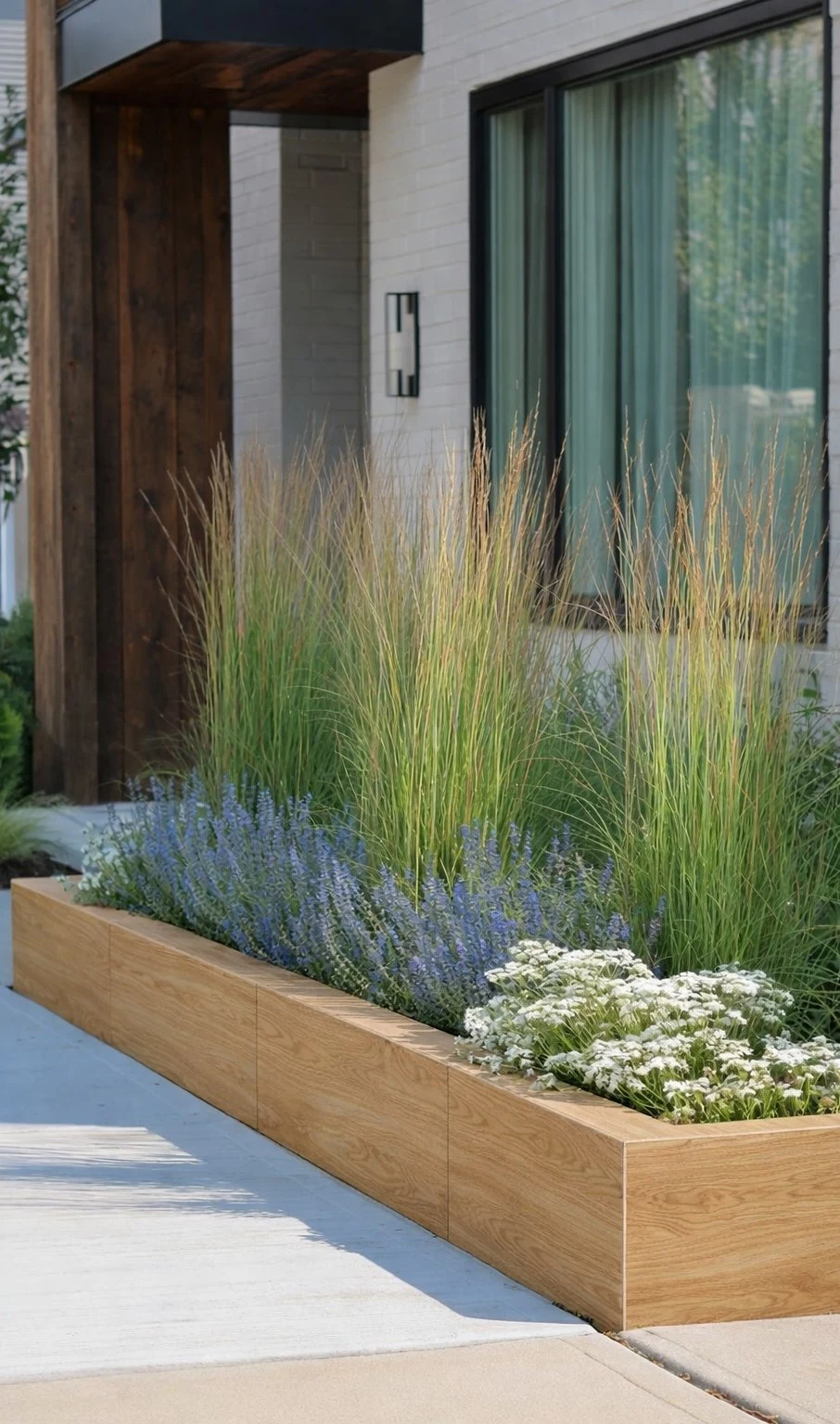
Porcelain surfaces are highly nonporous and resistant to stains, scratches and heat, which makes them well suited to hardworking kitchens and bathrooms. They don't require sealing, and certain porcelain products are UV resistant and approved for exterior applications such as outdoor kitchens. So yes, it can be beautiful.
It can also handle breakfast, dinner, spilled coffee, direct sunlight and the general chaos that comes with actually living in the house.
There are still sensible precautions. Cutting boards are a good idea, and exposed edges should be protected from hard impacts that can cause chipping. Product specifications also vary by manufacturer, so the requirements of the particular porcelain slab you're considering always matter.
Care and maintenance? That section is pleasantly short.
For everyday porcelain cleaning, warm water, mild detergent and a soft cloth will handle most of the job. Porcelain does not require sealing, and its low absorption makes routine care relatively straightforward.
Beyond that, follow the manufacturer's care recommendations for your specific surface.
Your countertops don't need to be a hobby.
PORCELAIN, SINTERED STONE & ULTRA-COMPACT SURFACES
This is where the terminology can get a little confusing.
Large-format porcelain sits alongside another generation of manufactured surfaces commonly described as sintered stone or ultra- compact surfaces. They're related ideas, but the names aren't interchangeable, and different manufacturers use proprietary materials and production methods.
Sintered stone is generally produced from mineral-based raw materials subjected to intense heat and pressure, creating a dense, very low-porosity surface. Neolith, for example, identifies its material as sintered stone. Cosentino describes Dekton as an ultra- compact mineral surface produced using ultracompaction and particle sintering. What matters when you're designing a room?
These technologies give designers another family of large-format surfaces capable of combining controlled aesthetics with serious performance.
Different recipe. Similar conversation.
FINDING THE RIGHT SLAB
This is where we'd let the project lead.
Maybe you love the movement of marble but want a manufactured surface with greater consistency. Maybe you're carrying one material from the kitchen onto a full- height backsplash. Maybe you're designing an outdoor kitchen and need a surface specifically rated for exterior exposure.
Or maybe you've found a pattern you simply can't get out of your head.
Start there.
Look at the full slab. Understand the manufacturer's specifications and where that particular product can be used.
Then start imagining what else you could do with it.
Porcelain has a habit of making the countertop feel like only the beginning; you’ll be looking for places to add it.