
Explore
Quartzite
WHEN THE STAGE IS SET FOR SOME DRAMA
NATURAL BEAUTY WITH A WILD SIDE.
Quartzite has a habit of making people stop walking.
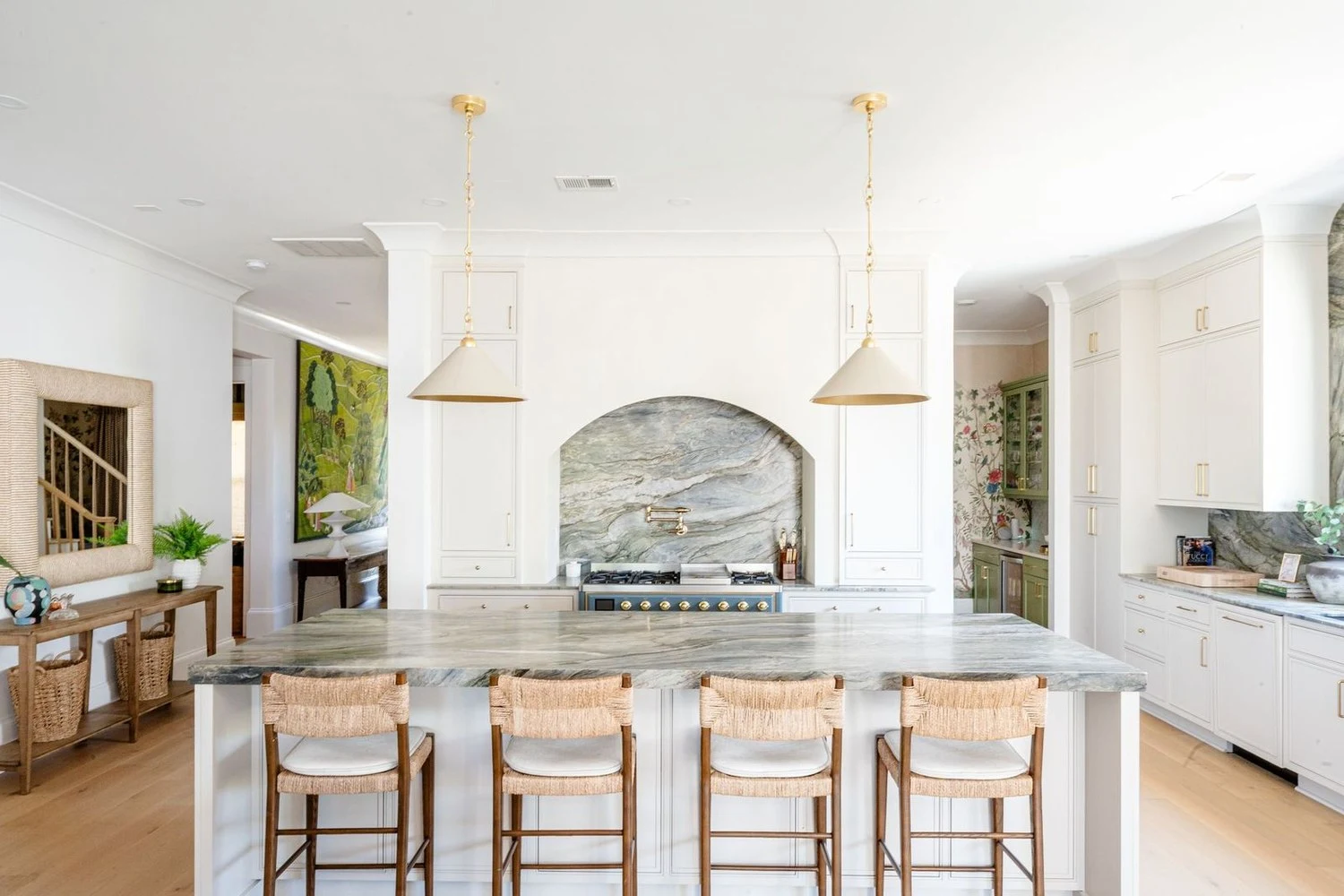
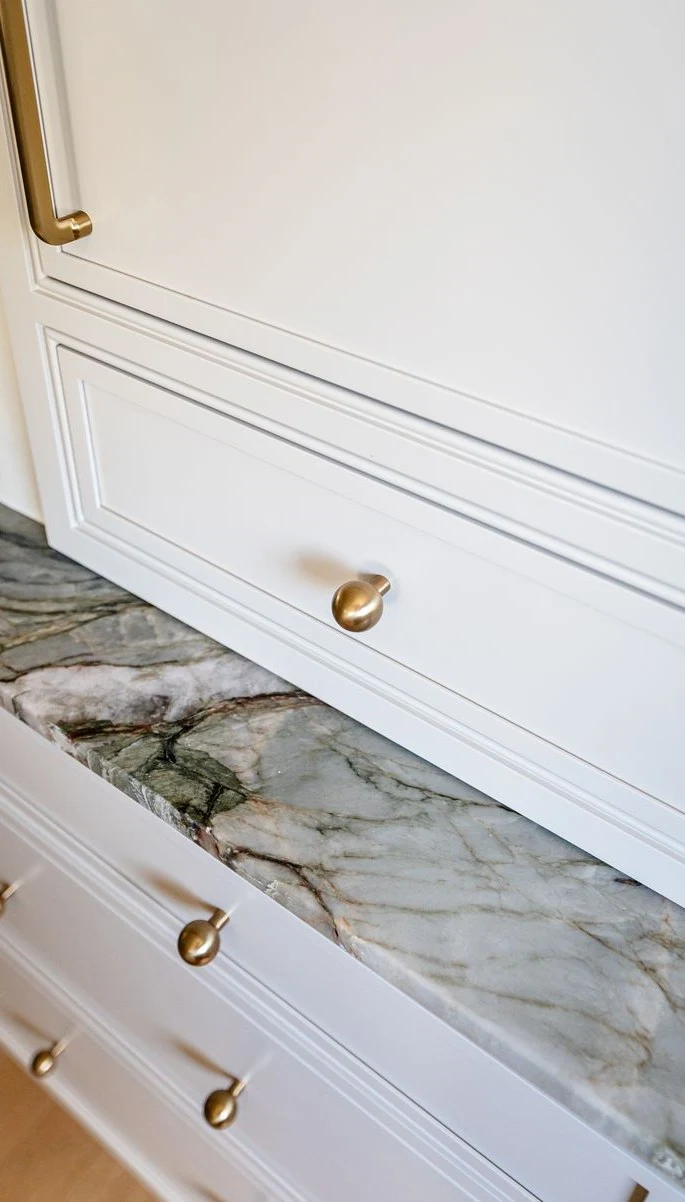
Maybe it's the movement. Maybe it's the color. Maybe it's because some quartzite slabs look less like stone and more like landscapes, watercolor paintings or something pulled straight from the ocean.
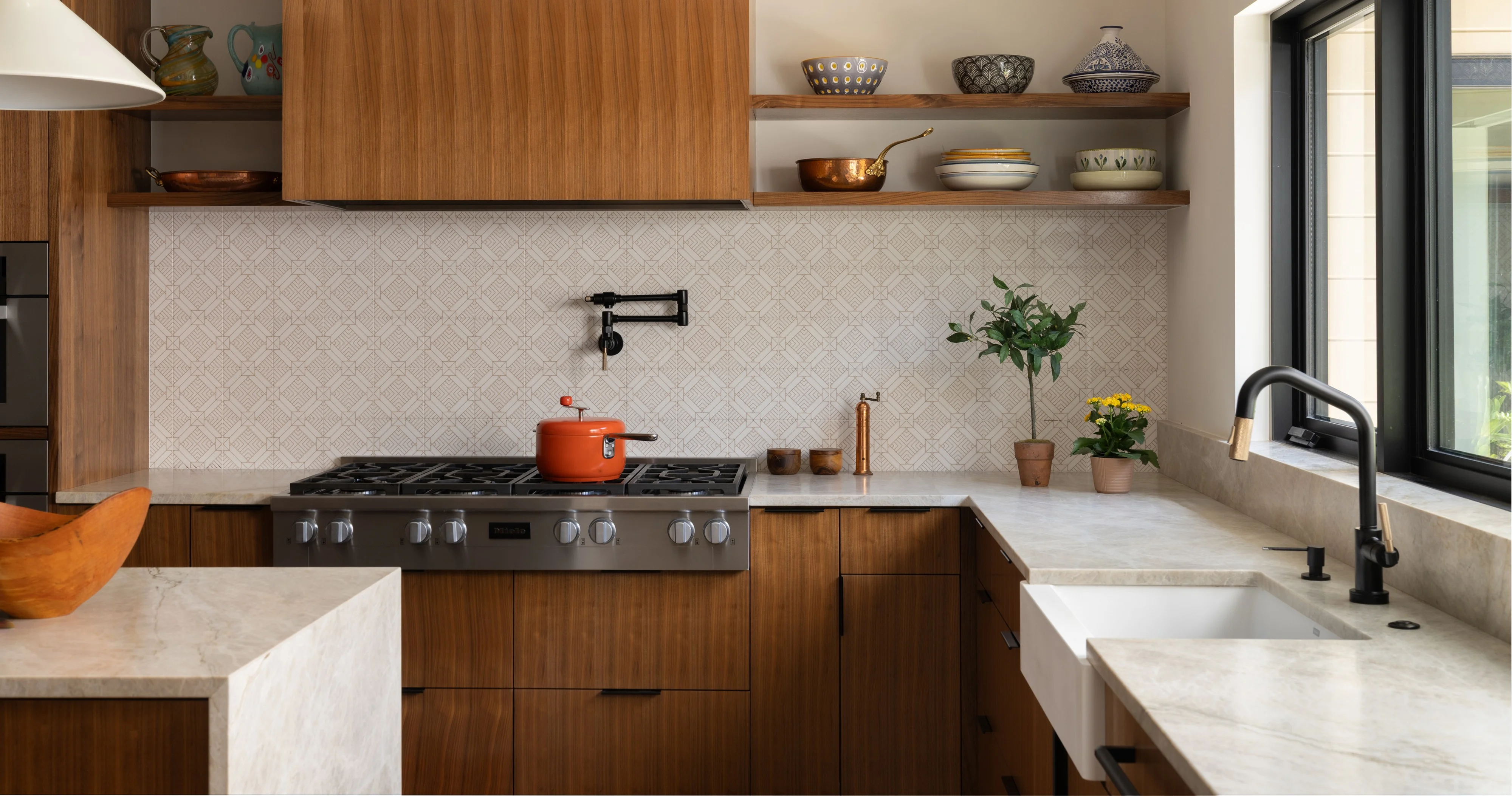
Formed naturally through intense heat and pressure, quartzite can range from soft, quiet neutrals to expressive blues, greens, golds and rusts. That range has made quartzite countertops, islands, backsplashes, fireplaces and architectural features favorites for spaces that need more than just a beautiful surface.
Some rooms need a supporting character. Others are waiting for the star.
Dramatic Movement with Quartzite
With quartzite, seeing the full slab matters. You don’t order dinner without reading the menu, and you don’t design beautiful kitchens without loving every swirl of your stone.
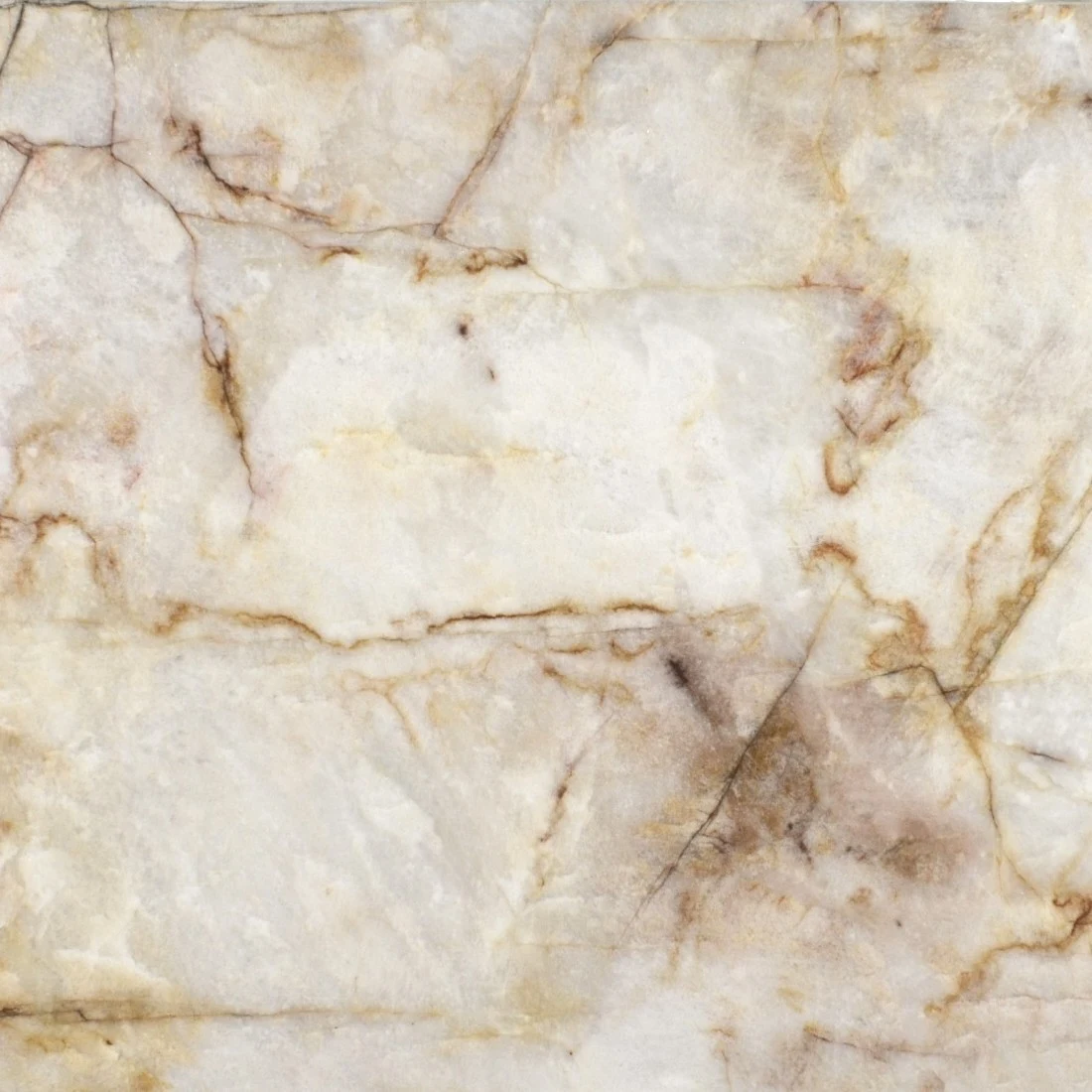
Movement can sweep dramatically from one end to the other. Colors appear and disappear. Veins intersect, change direction and occasionally create one spectacular section you immediately start imagining across the kitchen island.
That's the beauty of natural stone. It wasn't designed to repeat.
For large applications like quartzite kitchen countertops, waterfall islands, full-height backsplashes and fireplace surrounds, consider how the movement of the slab will translate into the finished space.
Bring the cabinet sample. Bring the flooring, paint and hardware. Bring your designer.
Then stand back.
Sometimes the stone makes the next decision for you.
LIVING WITH QUARTZITE
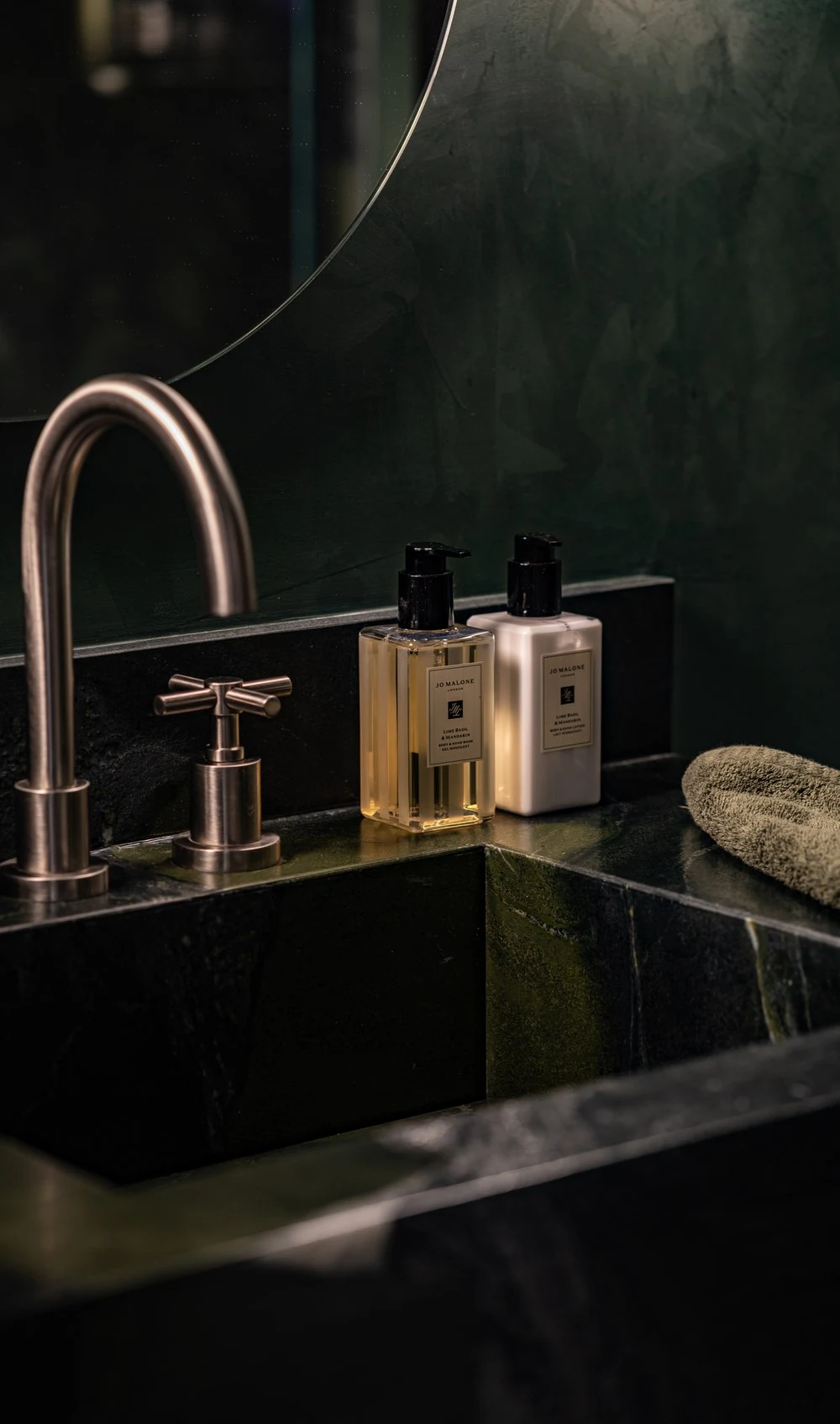
Quartzite gets a lot of attention for durability, and for good reason. True quartzite is a hard, siliceous natural stone that can perform beautifully in hardworking spaces such as kitchens.
But here's where knowing your particular stone matters.
Natural materials vary, and stones sold commercially as quartzite can differ in mineral composition and performance. Before selecting a slab, ask questions about the specific material you're considering—especially if resistance to scratching, staining or acids is important to the way you live.
For many homeowners, quartzite offers a particularly appealing balance: the movement and individuality they love about natural stone with performance well suited to everyday life.
In other words, you can have the beautiful kitchen. And children.
Even at the same time.
QUARTZITE CARE & MAINTENANCE
Quartzite doesn't need much fuss, but good habits will help keep any natural stone looking its best.
For everyday cleaning, use a soft cloth with a pH-neutral cleaner appropriate for natural stone. Avoid abrasive products and harsh or acidic cleaners, and wipe up spills rather than allowing them to sit.
Depending on the particular quartzite and its finish, an impregnating sealer may be recommended to improve stain resistance. Not every stone has identical requirements, so your fabricator or stone professional can help determine the appropriate care for the slab you've selected.
Quartzite is available in polished, honed and other specialty finishes, each of which changes how the stone reflects light, reveals color and responds to everyday use.
Know your stone. Give it reasonable care.
Then get back to dinner.
FINDING THE RIGHT SLAB
This is where quartzite gets interesting.
Taj Mahal has become beloved for its warm, understated movement, but quartzite goes far beyond the quiet neutrals. Blue, green, charcoal, cream, gold and rust can move through slabs in combinations that are nearly impossible to describe until you're standing in front of one.
And that's precisely the point.
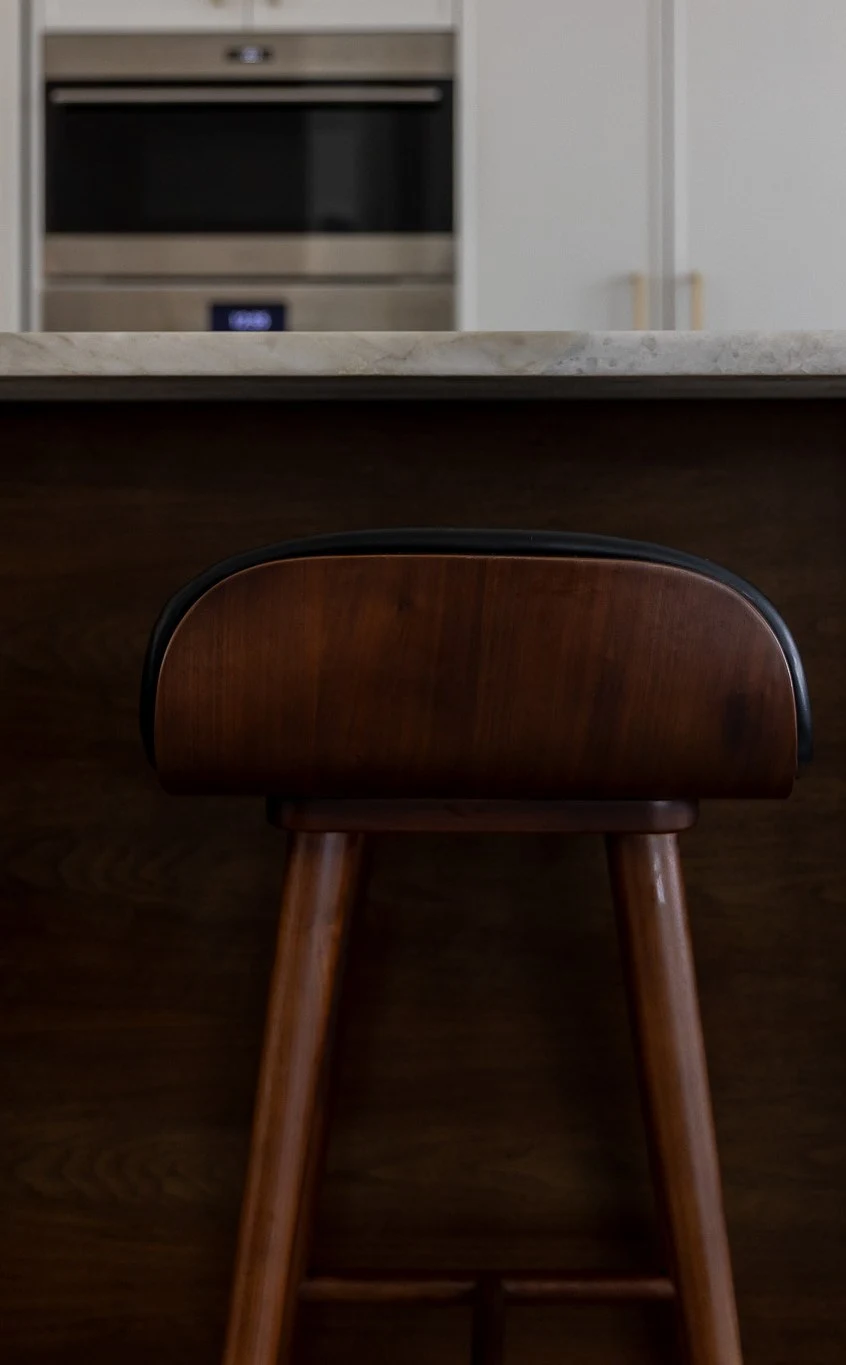
Don't begin by asking which quartzite is the most popular. Begin with your room.
Does it need warmth? Movement? Contrast? Something quiet enough to let everything else speak—or something spectacular enough to build the entire design around?
Look at the whole slab.
Then look again.
Quartzite has a funny way of changing the plan.